What is ADAS Calibration?
What is ADAS Calibration? What Drivers Need to Know
ADAS calibration is the process of precisely realigning the cameras, sensors, and radar units that power your vehicle’s Advanced Driver Assistance Systems (ADAS). These components help your vehicle:
- Detect lanes
- Monitor surrounding traffic
- Identify pedestrians
- Apply emergency braking
- Maintain safe following distances
Any time the windshield is replaced, or anything shifts the camera’s position, the system must be recalibrated so it can read the road correctly.
Why Do Vehicles Need ADAS Calibration?
Modern vehicles depend on exact camera angles and sensor alignment. Even a tiny shift can cause incorrect readings.
Calibration is typically required when:
- The windshield is replaced
- A camera or sensor is removed or disconnected
- The vehicle is involved in a collision
- The camera bracket is disturbed
- Suspension or alignment work is performed
- An ADAS warning light appears
Driving without calibration can cause your safety features to activate late, incorrectly, or not at all.
What Systems Depend on ADAS Calibration?
Most 2015+ vehicles include at least one ADAS feature, and many include several.
Systems that commonly require calibration:
- Lane departure warning
- Lane keeping assist
- Forward collision warning
- Automatic emergency braking
- Adaptive cruise control
- Traffic sign recognition
- Blind spot monitoring
- Rear and 360° cameras
- Night vision assist
- Pedestrian detection
If your vehicle uses a windshield-mounted camera, calibration is almost always required after replacement.
How ADAS Calibration Works
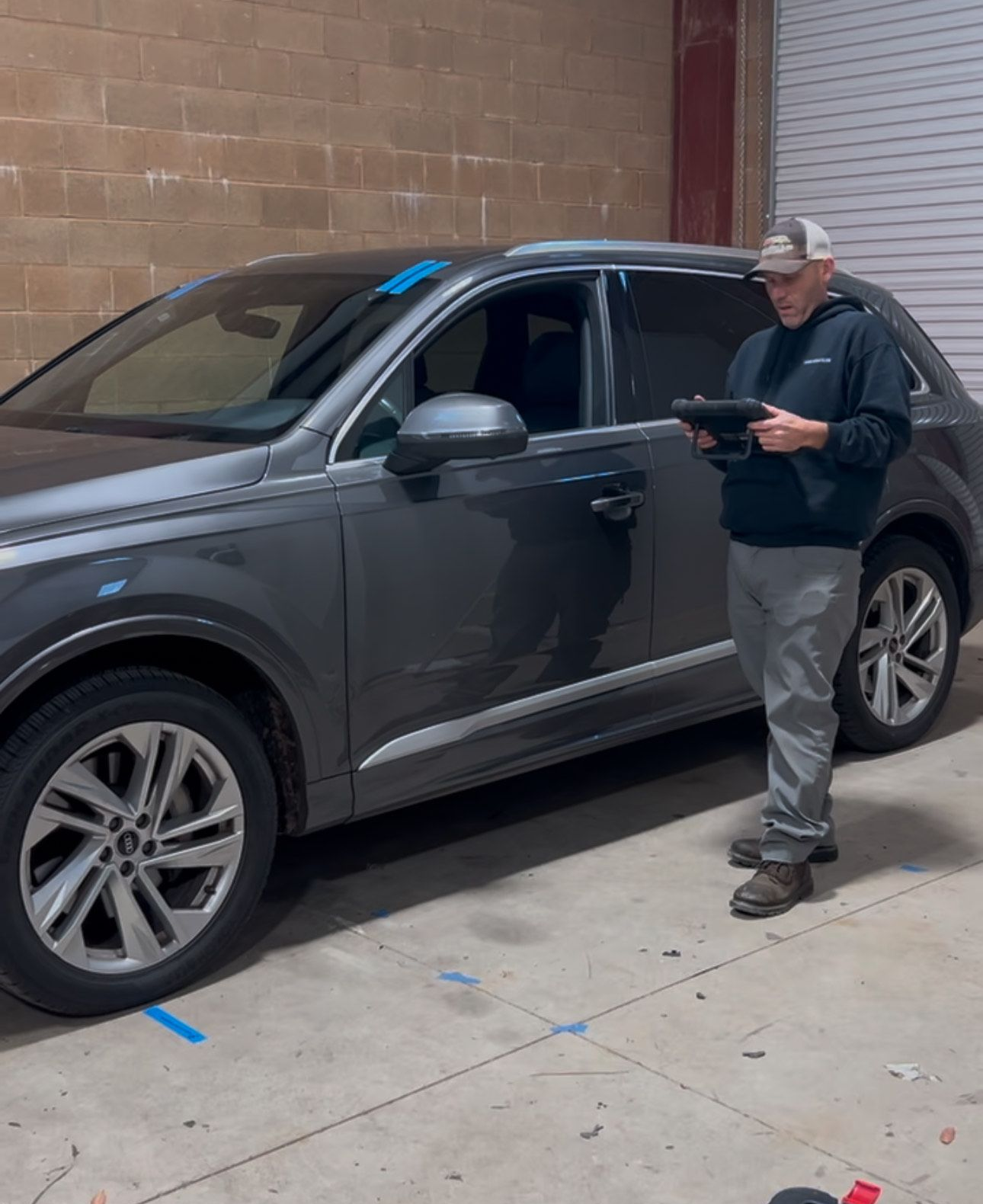
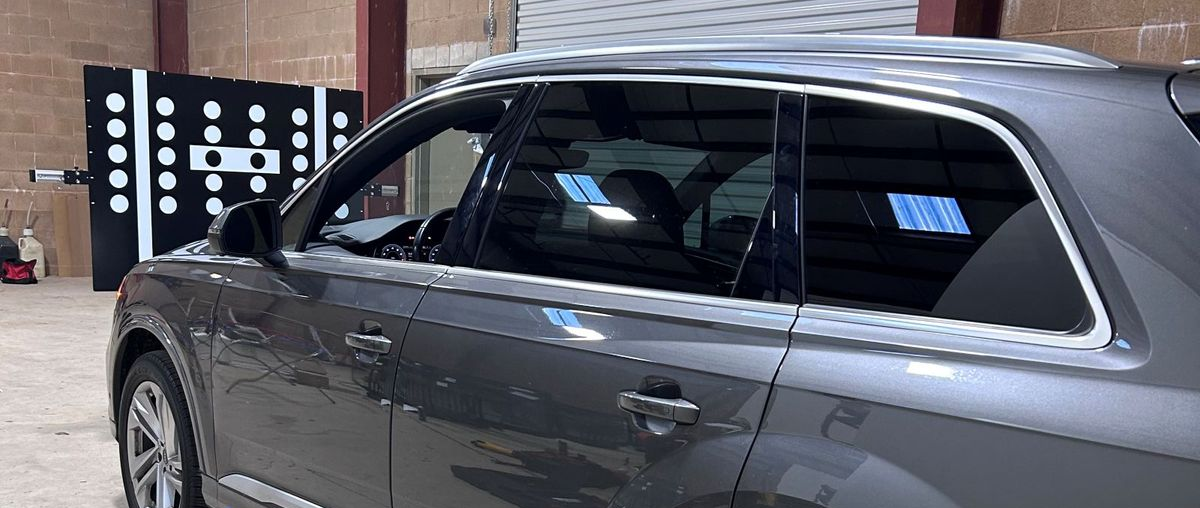
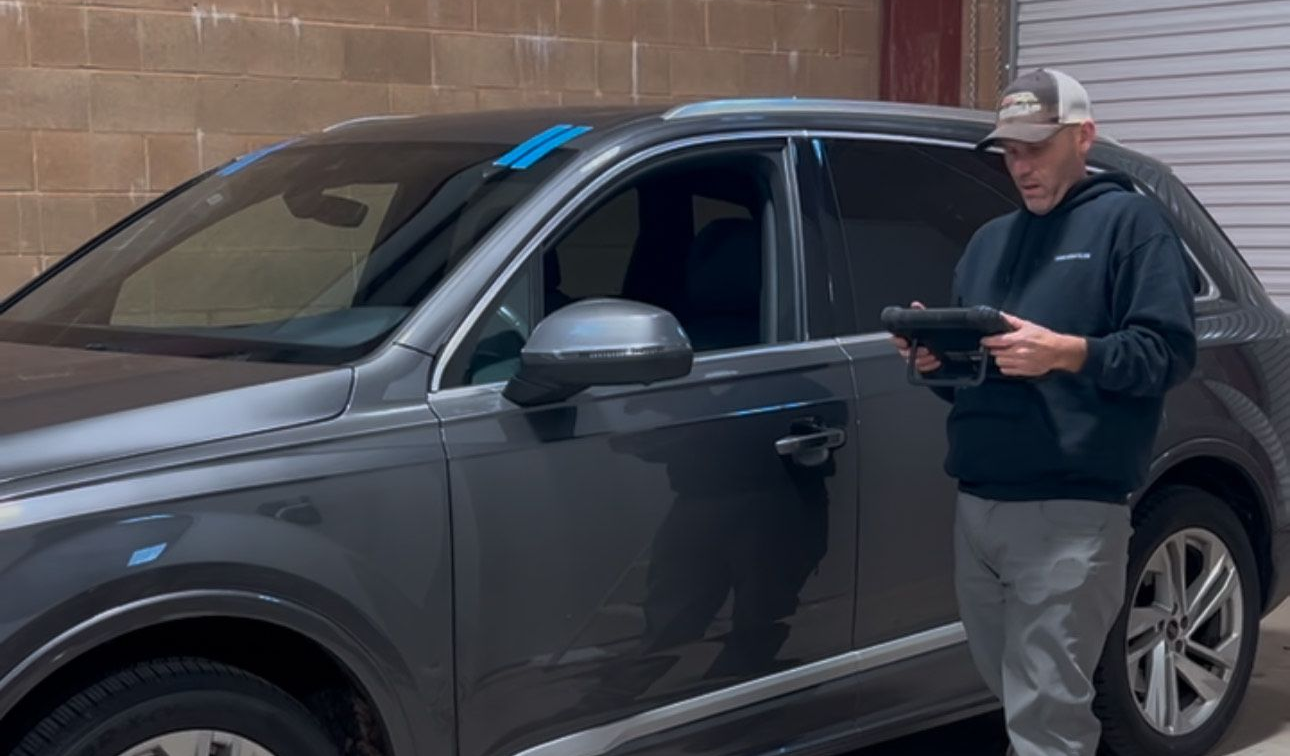
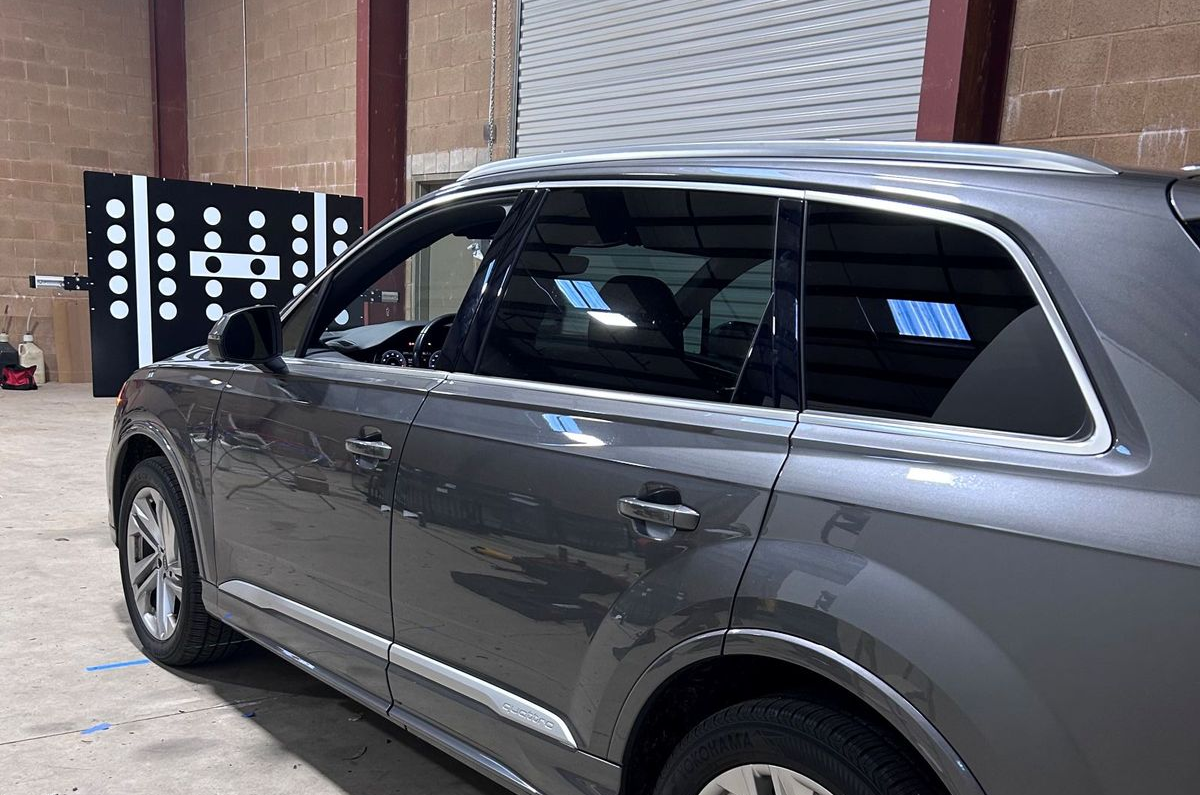
Most vehicles require either static or dynamic ADAS calibration, and many need both. Static calibration is performed indoors with the vehicle stationary, using precision targets, laser measurement tools, and OEM-specified positioning to align the system to factory standards in a controlled environment. Dynamic calibration is completed on the road, where a technician drives the vehicle under specific conditions so the system can relearn lane markings, road signs, traffic flow, and proper distance spacing. Because many manufacturers require a combination of both methods for full accuracy, Sierra Mobile Glass follows all OEM procedures to ensure every ADAS system is restored to exact factory specifications.
What Happens If ADAS Is Not Calibrated?
Driving without proper calibration can lead to:
- Incorrect lane or distance readings
- False or missing warnings
- Delayed emergency braking
- Misaligned adaptive cruise control
- Safety features shutting off entirely
Inaccurate ADAS systems increase accident risk and may violate manufacturer safety requirements.
Is ADAS Calibration Required After Every Windshield Replacement?
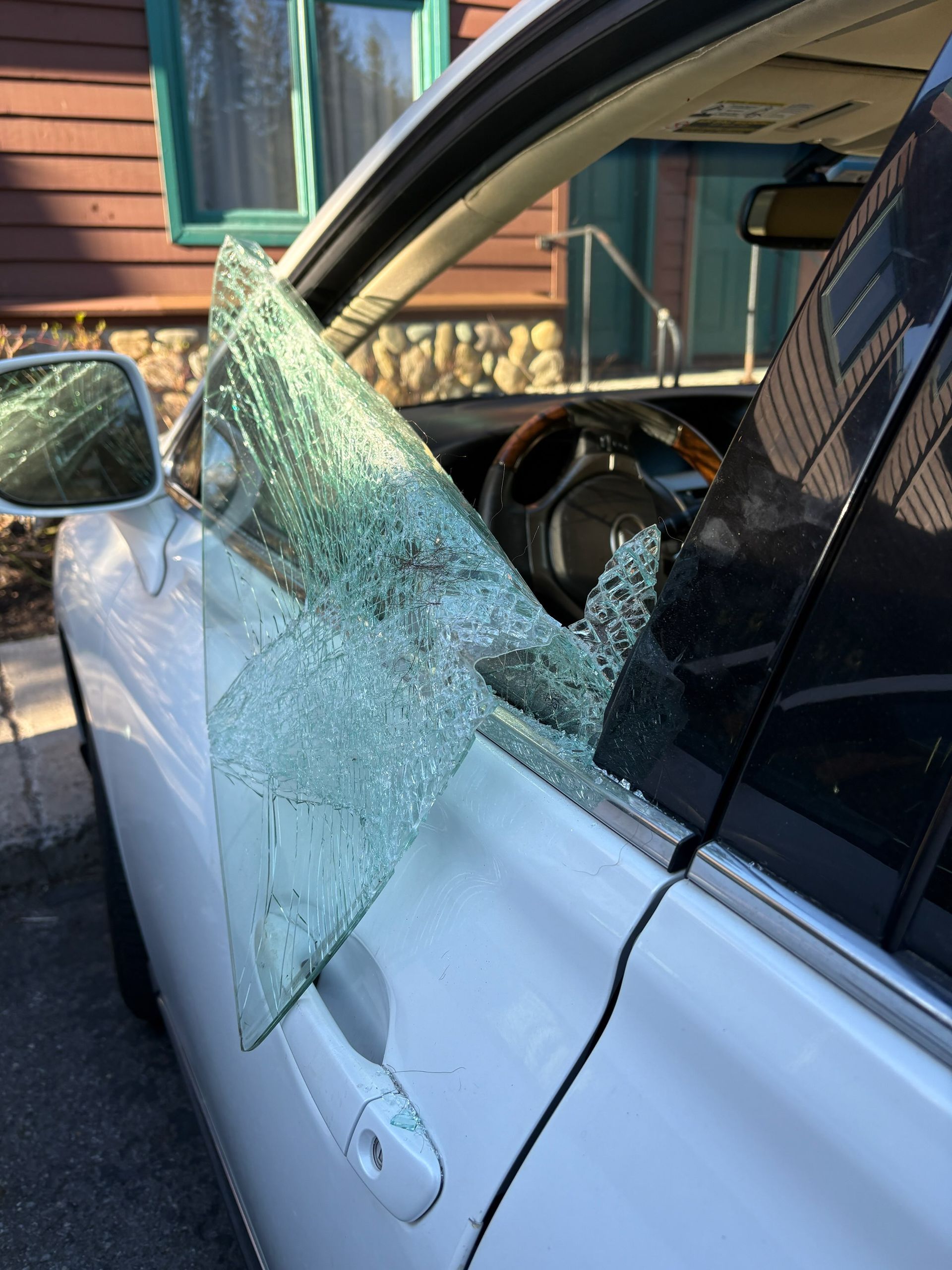
For most vehicles, yes. If your windshield has a camera bracket or sensor mount, calibration is required any time the glass is removed or replaced.
Why:
- Removing the glass changes the camera angle
- Even OEM-equivalent glass can shift positioning
- ADAS systems rely on exact alignment
Most insurance companies cover calibration when it’s required.
How Long Does ADAS Calibration Take?
Typical timeframes:
- Static calibration: 30–90 minutes
- Dynamic calibration: 30–60 minutes
- Combination calibration: 1–2 hours
Times vary by manufacturer and model.
How Much Does ADAS Calibration Cost?
Costs depend on:
- Vehicle make and model
- Calibration type
- OEM procedures
- Equipment required
Most insurance policies cover calibration when tied to a windshield replacement.
How Sierra Mobile Glass Performs ADAS Calibration
Sierra Mobile Glass uses advanced, OEM-approved equipment to ensure your safety systems are restored with precision.
Our calibration process includes:
- Pre-scan of your ADAS system
- Static and/or dynamic calibration
- OEM-specific procedures
- Post-scan verification
- Documentation for insurance
- Mobile service in Grass Valley and Truckee, or in-shop options
Your vehicle leaves with safety systems aligned exactly as the manufacturer intended.
What Vehicles Require ADAS Calibration?
Most 2015+ vehicles with driver-assist features require calibration.
Brands commonly requiring calibration:
- Toyota
- Honda
- Nissan
- Ford
- Chevrolet
- GMC
- Subaru
- Hyundai
- Kia
- Audi
- BMW
- Mercedes-Benz
- Lexus
- Volkswagen
European and luxury vehicles often require more complex procedures.
Frequently Asked Questions
What is ADAS calibration?
The process of realigning your vehicle’s safety cameras and sensors after windshield replacement or camera movement.
Why is ADAS calibration necessary?
Because even small shifts in camera position can cause inaccurate readings and unsafe driving conditions.
How do I know if my vehicle needs calibration?
If your vehicle has a windshield-mounted camera or shows an ADAS warning light, calibration is likely required.
Does insurance cover ADAS calibration?
Most insurers do when it’s required after a windshield replacement.
Can I drive without calibration?
It’s not recommended. Your safety systems may not function correctly.
How long does calibration take?
Usually 1–2 hours depending on the vehicle and calibration type.
Why Drivers in Grass Valley & Truckee Trust Sierra Mobile Glass
- OEM-approved calibration equipment
- Certified ADAS technicians
- Accurate static and dynamic calibration
- Insurance-approved procedures
- Mobile and in-shop service
- Local expertise and fast turnaround
- Lifetime workmanship warranty
Your safety systems are restored with precision and care.
Need ADAS Calibration After a Windshield Replacement?
Sierra Mobile Glass handles the entire process, from the replacement itself to full OEM-grade calibration and insurance coordination. Contact us today for a free quote.