Can You Drive With a Cracked Windshield? What to Know

Can You Drive With a Cracked Windshield?
You may be able to drive a short distance with a small windshield crack that does not block your view, reach an edge, or appear to be spreading. That does not mean the damage is safe to ignore. A crack can grow without much warning, and its position may affect visibility or the windshield’s ability to remain securely in place during a collision.
There is no universal safe distance or length of time for driving with cracked glass. The safest decision depends on the crack’s size, depth, location, and stability. Weather, road conditions, and the distance you need to travel also matter.
Avoid unnecessary driving until the damage has been assessed. If the crack interferes with your view or the windshield appears severely damaged, do not drive the vehicle. Mobile auto glass service may allow you to have the problem evaluated without taking the vehicle onto the road.
Is It Legal to Drive With a Cracked Windshield in California?
California law prohibits operating a vehicle when the windshield or rear window is defective enough to impair your vision. This means a crack is not automatically treated the same way in every situation. Its location, size, and effect on visibility are important.
A fracture that crosses the area in front of you can distort light, create glare, or make other vehicles and roadway hazards harder to see. The problem may become more noticeable at night, during rain, or when sunlight hits the damaged area at an angle.
If an officer determines that the windshield does not comply with California requirements, the driver can be directed to correct the problem within 48 hours. An officer may also issue a notice to appear and require proof that the glass was brought into compliance.
Legal compliance is only one part of the decision. A crack can create a safety concern before it becomes large enough to draw attention during a traffic stop. Prompt professional evaluation is the best way to understand the condition of your specific windshield.
When Should You Avoid Driving the Vehicle?
You should avoid driving when a windshield crack substantially obstructs your view, reaches a critical edge, spreads quickly, or is part of extensive glass damage. These conditions may reduce visibility or indicate that the windshield has lost too much integrity for continued use.
Do not drive until you receive professional guidance if:
- The crack passes through your direct viewing area
- Multiple fractures obstruct a clear view of the road
- The damage reaches more than one edge
- The inner layer appears damaged
- The windshield is separating from its frame
- Loose glass or a large impact area is present
- The crack is rapidly spreading
- The damage prevents the windshield wipers from working properly
- You cannot see clearly in current weather or lighting conditions
A small crack located away from your viewing area may not require the same response as extensive damage. However, it should still be inspected promptly. Driving over rough pavement or exposing the windshield to a temperature change may turn limited damage into a much longer fracture.
If you are uncertain, send Sierra Mobile Glass a clear photo and describe where the crack is located. A photo cannot replace an in-person inspection, but it can help the team understand the situation and discuss the safest next step.
Why Can a Cracked Windshield Be a Safety Concern?
A cracked windshield can affect visibility, continued damage resistance, and glass retention. Modern windshields are made from laminated safety glass designed to remain together when damaged. The glass and its mounting system also help keep the windshield retained during a collision.
A crack creates a weakened path through the glass. As that path grows, the windshield may become less capable of handling additional stress. A sudden impact, body movement, or rapid temperature change can extend the fracture beyond its original position.
Visibility is often the most immediate concern. A crack can reflect headlights, scatter sunlight, collect moisture, or create visual distortion. Even when you can see around it during the day, the same damage may become distracting under different conditions.
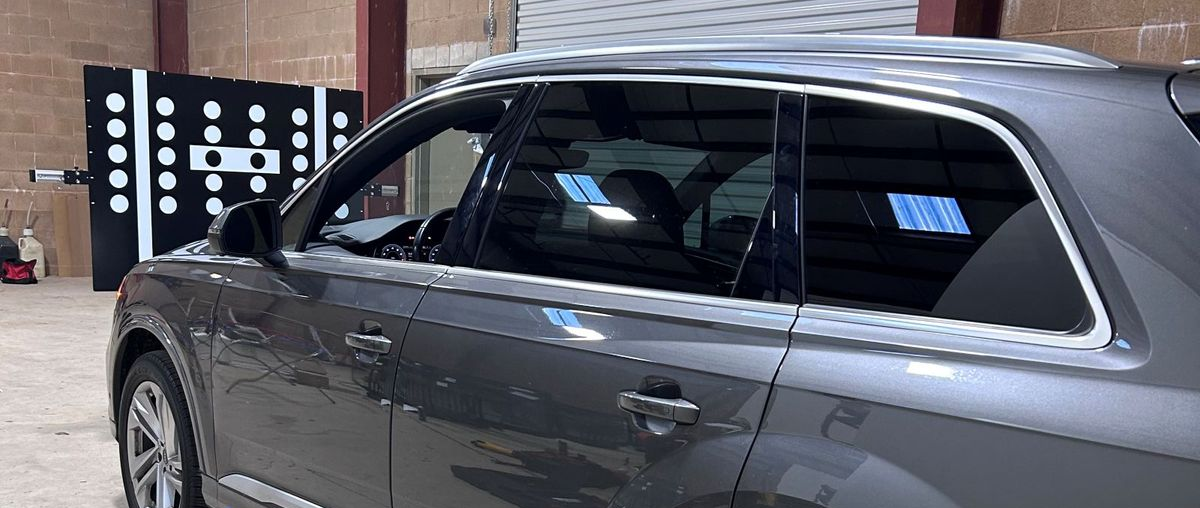
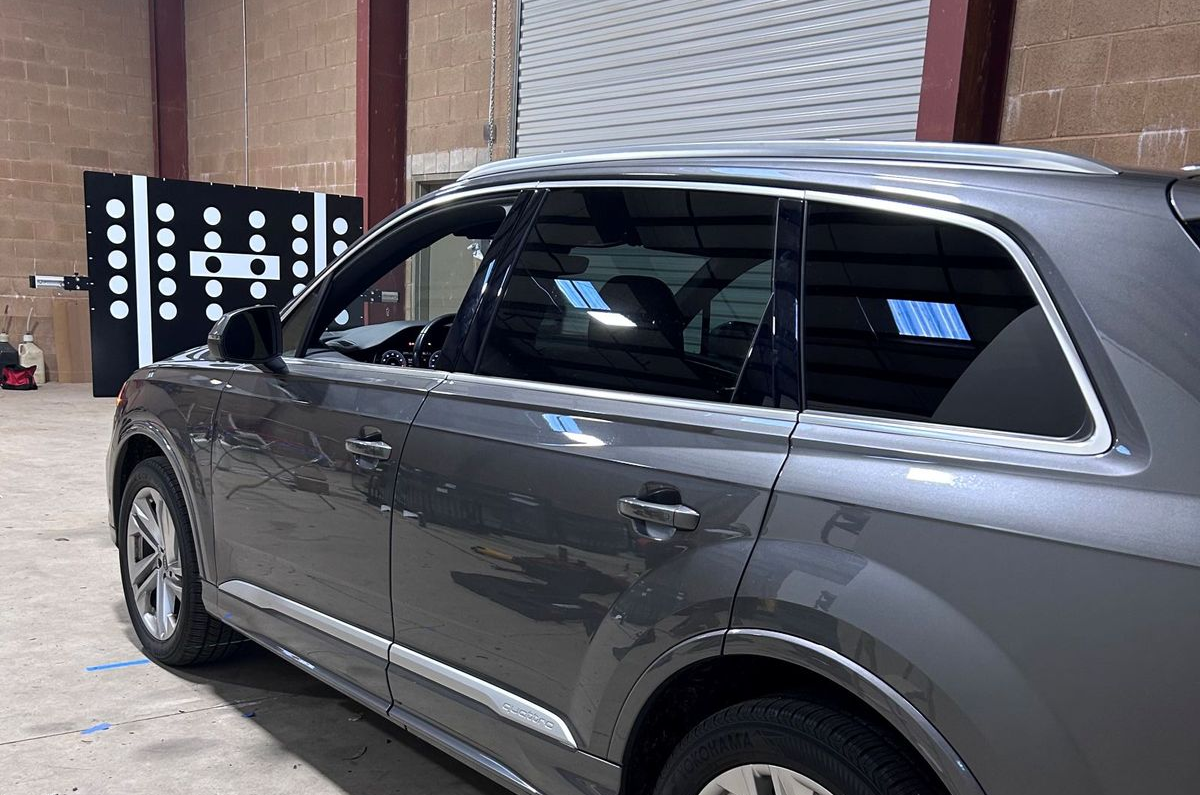
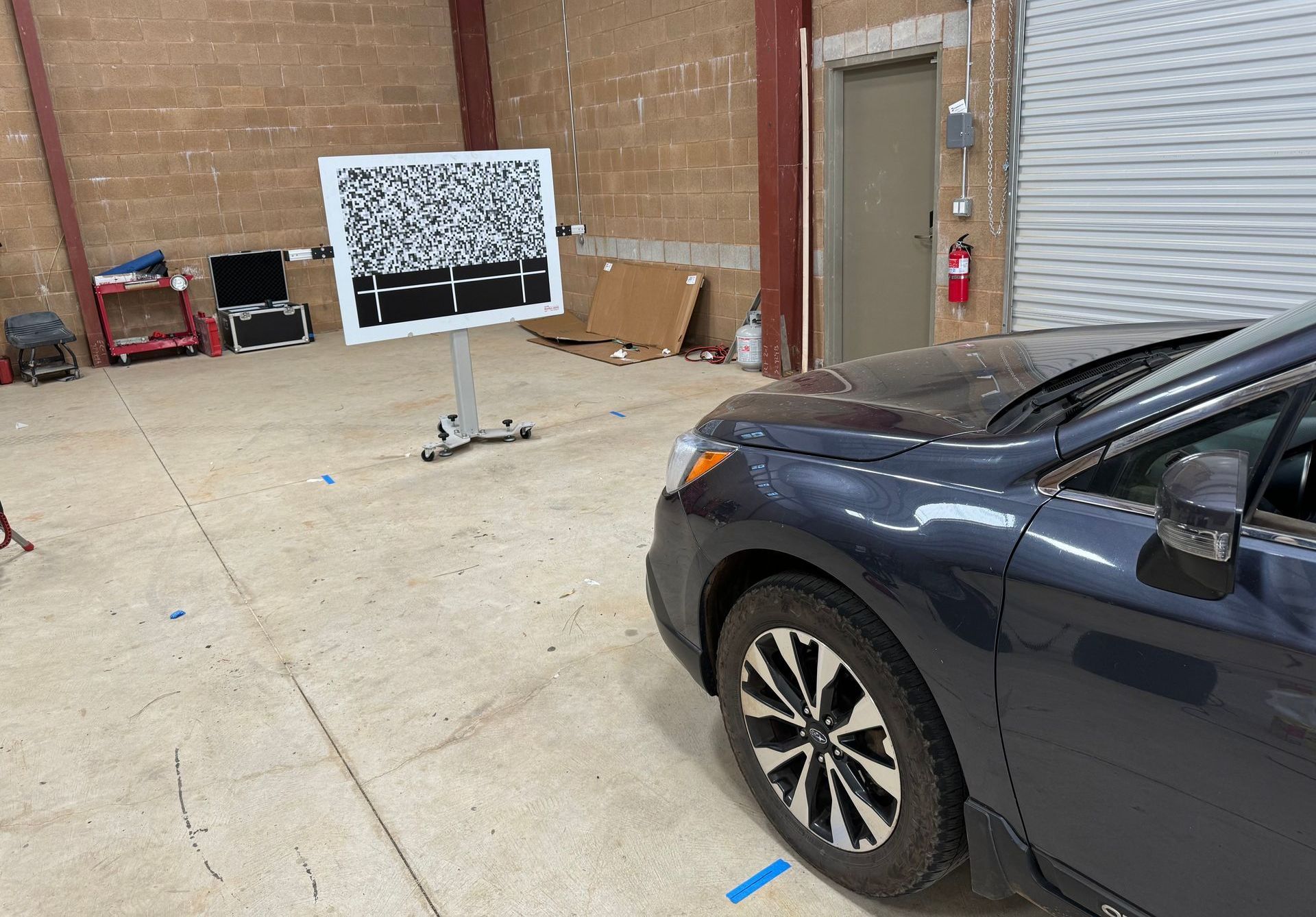
The crack may also cross an area used by a windshield-mounted camera. If replacement becomes necessary, vehicles equipped with lane assistance, automatic emergency braking, or related systems may require ADAS calibration after the new windshield is installed.
Can You Drive to an Auto Glass Shop?
You may be able to drive carefully to an auto glass shop when the crack is limited, stable, outside your direct view, and not affecting the windshield’s attachment. Keep the trip as short as practical and avoid rough roads when possible.
Before leaving, inspect the damage visually from inside and outside the vehicle. Do not press on the crack. If it has grown since you last checked, reaches an edge, or creates a visibility problem, contact the shop before driving.
Sierra Mobile Glass also provides mobile service at no extra cost. A certified technician can come to your home, workplace, or another suitable service location, eliminating the need to drive a vehicle when the windshield’s condition is uncertain. In-shop appointments remain available at the Grass Valley and Truckee locations when traveling there is appropriate. If the windshield is loose, extensively fractured, or preventing a clear view, keeping the vehicle off the road is the safer decision.
Does a Cracked Windshield Need Repair or Replacement?
Some short and limited windshield cracks may qualify for professional repair, but many cracks require replacement. The recommendation depends on the damage’s length, depth, location, age, and level of contamination.
Repair is more likely to remain an option when the crack has not spread far, stays away from a critical edge, and does not interfere with your primary viewing area. Specialized resin can be injected into qualifying damage to stabilize the glass and help prevent further spreading.
Replacement may be necessary when the crack is long, reaches the edge, penetrates deeply, branches into several lines, or crosses your view. Multiple impact points and contaminated damage can also affect the decision.
An auto glass technician should make the final determination. Sierra Mobile Glass follows established repair standards and will not recommend an unsafe repair. If replacement is required, our I-CAR Platinum-certified calibration team can also complete applicable ADAS calibration for vehicles with windshield-mounted safety equipment.
What Should You Do While Waiting for Service?
Limit driving and protect the windshield from avoidable stress while waiting for your appointment. Gradual temperature changes are less stressful than directing intense heat or cold at the cracked area. Close doors normally instead of slamming them, and use extra care around potholes and uneven surfaces.
Take a photo of the crack and compare it later to see whether it is growing. Keep the area reasonably dry without pushing on the glass or applying household adhesives. Notify Sierra Mobile Glass if the condition changes before service because a crack that initially appeared repairable may require a different plan after spreading.
Insurance coverage for repair, replacement, and applicable calibration depends on your individual policy. Sierra Mobile Glass accepts all insurance and can help verify coverage, file the glass claim, and bill the insurer directly.
Get Mobile or In-Shop Windshield Service
Sierra Mobile Glass provides AGSC-certified windshield repair and replacement throughout Grass Valley, Nevada City, Auburn, Foresthill, Truckee, and the Sierra Foothills and Truckee-Tahoe region. Mobile service is available at no extra cost, or you can schedule an in-shop appointment at the Grass Valley or Truckee location.
Do not wait for a windshield crack to obstruct your view or spread across the glass. Contact Sierra Mobile Glass for a free quote and professional guidance on whether the vehicle should be driven, repaired, or scheduled for windshield replacement.