Why Mountain Roads Are Hard on Windshields


Why Are Mountain Roads So Hard on Windshields?
Mountain-road windshield damage is common because loose gravel, rough pavement, temperature changes, winter road treatments, and falling debris can all affect the glass during one trip. These hazards increase the chance of an initial rock chip and can also cause existing damage to spread.
An undamaged windshield is designed to handle ordinary driving. Once an impact creates a weak point, however, Sierra Nevada road conditions may turn a limited chip into a longer crack.
Why Do Mountain Roads Cause Windshield Chips?
Mountain roads cause windshield chips when tires throw loose stones and other material into traffic. Gravel collects along shoulders, around construction zones, beside unpaved turnouts, and wherever pavement has begun to deteriorate.
A truck, trailer, snowplow, or passenger vehicle can pick up that material and send it backward or sideways. The rock does not need to fall from a load to damage your windshield. It may be thrown directly from a tire, bounce across another lane, or enter traffic from the shoulder.
Curves and elevation changes can make the source difficult to anticipate. Greater following distance reduces your exposure, but it cannot prevent every unpredictable impact.
The result may be a shallow surface pit, a repairable chip, or a fracture that starts spreading immediately. Its severity depends on the object, impact force, windshield condition, and point of contact.
Why Are Rock Chips Common in the Sierra Nevada?
Rock chips are common in the Sierra Nevada because changing seasons continually affect the roads and the material found around them. Snow removal, storms, pavement repairs, construction, and freeze-and-thaw cycles all contribute to loose debris.
The specific risks change throughout the year:
- Spring: Potholes, damaged pavement, and loose fragments may remain after winter weather.
- Summer: Construction, dry shoulders, and increased travel can put more gravel into traffic.
- Fall: Pinecones, branches, and storm debris may fall onto roads or parked vehicles.
- Winter: Sand, aggregate, packed ice, plows, and traction devices introduce additional impact hazards.
These conditions do not mean windshield damage is inevitable. They explain why routes through Truckee, Tahoe City, and the surrounding mountains expose the glass to more potential impact sources than many lower-elevation roads.
Temperature Changes and Rough Pavement Stress Existing Damage
Mountain temperature changes are especially hard on a windshield that already has a chip. Glass expands as it warms and contracts as it cools. When one part changes temperature more quickly than another, stress can concentrate around the damaged area.
A windshield may move between sun and shade several times during one drive. Temperatures can also fall as the route climbs, then rise again at a lower elevation. Overnight cold followed by a strong defroster creates another rapid change.
Temperature differences do not ordinarily crack sound glass by themselves. The greater concern is what they can do to a weak point left by an earlier impact.
Potholes, patched pavement, washboard surfaces, and abrupt transitions add vibration. Because the windshield is bonded to the vehicle body, it experiences some of that movement. A chip or short crack may spread as temperature stress, road vibration, and ordinary vehicle movement act on it.
Damage near the edge deserves particular attention because the perimeter is where the windshield is bonded to the vehicle. A technician considers both the size and position of an impact when deciding whether windshield repair is appropriate.
Weather Creates Falling Debris and Abrasive Grit
Mountain weather produces hazards beyond rocks thrown from the pavement. Wind and storms can bring pinecones, twigs, and branches onto the road. Snow and ice may fall from trees, buildings, or other vehicles.
Falling material also threatens parked vehicles. A pinecone or branch does not need highway speed behind it if it falls far enough or carries enough weight. This is a particularly local concern around Truckee and Tahoe City, where large trees surround roads, homes, parking areas, and vacation properties.
Smaller material can damage the glass more gradually. Grit trapped beneath a worn wiper blade may scrape across the windshield and leave permanent scratches. Unlike a qualifying rock chip, a scratched windshield cannot be restored with an ordinary resin repair.
How Can You Prevent Windshield Damage on Mountain Roads?
You cannot prevent every rock strike, but you can reduce the likelihood of mountain-road windshield damage.
- Leave additional space behind trucks, trailers, snowplows, and vehicles traveling over gravel.
- Reduce speed around construction, rough pavement, unpaved turnouts, and visible road debris.
- Replace wiper blades that skip, chatter, or drag grit across the glass.
- Warm a frozen windshield gradually instead of pouring hot water over it.
- Avoid parking beneath damaged branches or trees dropping large pinecones.
- Arrange windshield repair before an existing chip faces another mountain trip.
Inspect the glass after hearing an impact and before beginning a return trip. Early assessment gives a technician the opportunity to repair qualifying damage before contamination or spreading changes the available options.
For a complete pre-trip checklist, see How to Protect Your Windshield on a Tahoe Road Trip.
Windshield Damage Can Affect Vehicle Technology
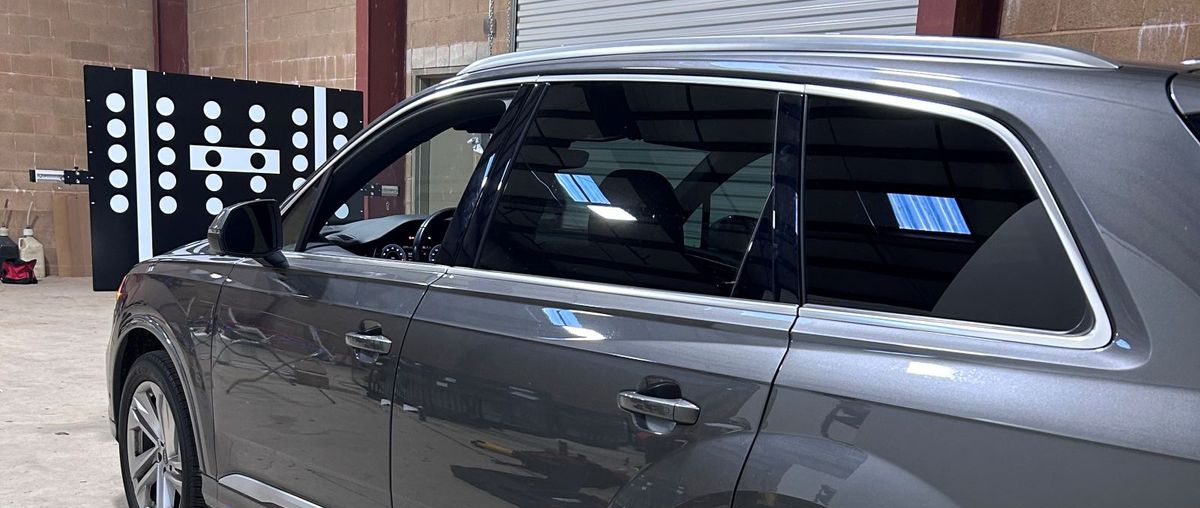
Modern windshields may support cameras and sensors used by advanced driver assistance systems. These components can assist features such as lane support, forward collision warnings, and automatic emergency braking.
A chip does not automatically mean the safety system has stopped working. Damage within the camera’s viewing area can create an additional concern, however, and windshield replacement may require ADAS calibration afterward.
Sierra Mobile Glass provides applicable calibration through an I-CAR Platinum-certified ADAS calibration team. The correct glass and calibration procedure depend on the vehicle and its equipment.
Get Mountain Windshield Damage Assessed Early
Sierra Mobile Glass provides AGSC-certified windshield repair and windshield replacement throughout Grass Valley, Nevada City, Auburn, Truckee, Tahoe City, and the wider Sierra Foothills and Truckee Tahoe region.
You can schedule an appointment at the Grass Valley or Truckee shop or request mobile service at no extra cost. Contact Sierra Mobile Glass for a free quote and a recommendation based on the damage’s actual size, location, depth, and condition.