What Causes Windshield Cracks to Spread?

What Causes Windshield Cracks to Spread?
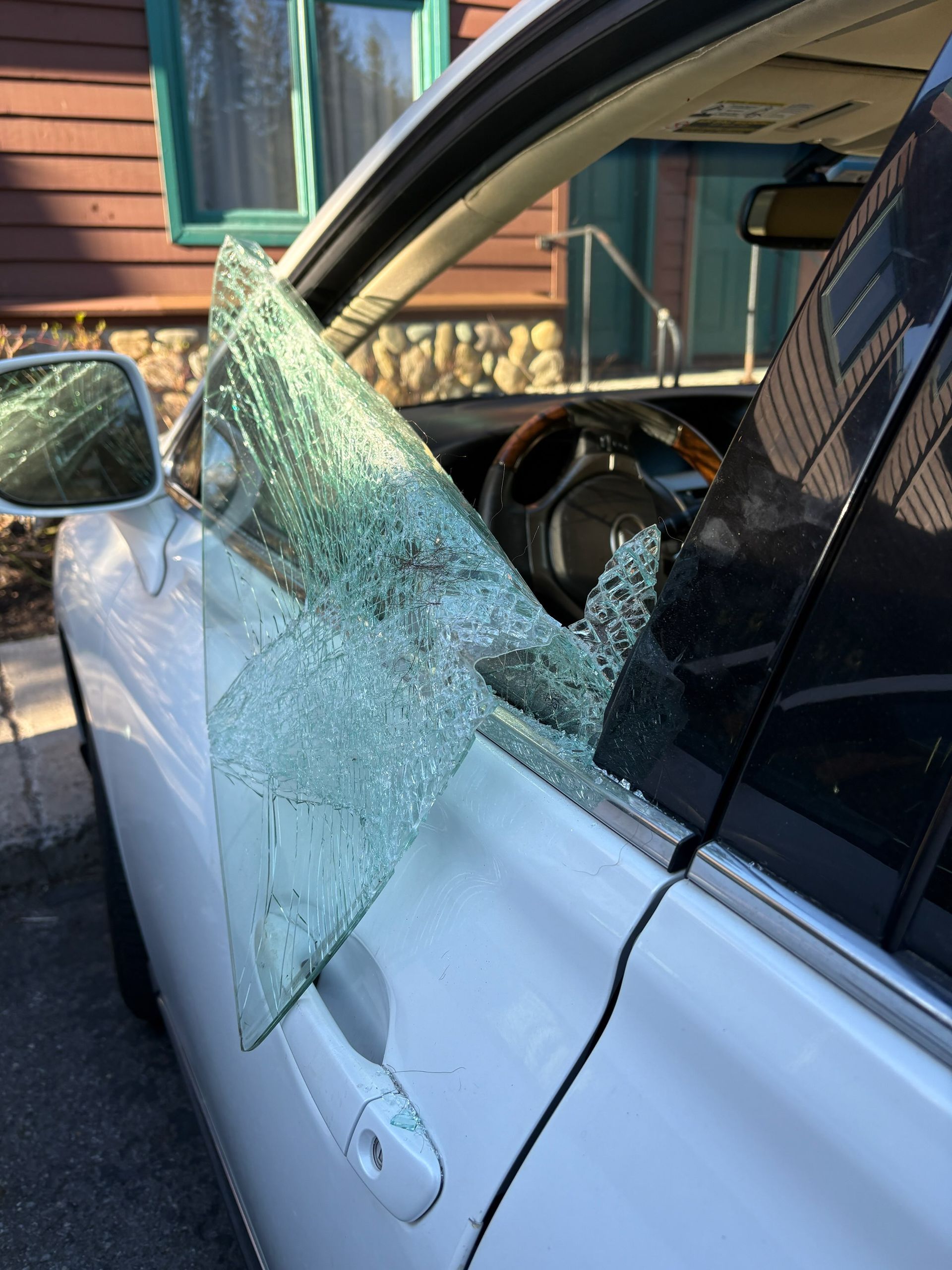
Windshield cracks spread when temperature changes, road vibration, pressure, or vehicle movement place additional stress on damaged glass. A chip or short crack creates a weak point. Once that weak point exists, ordinary conditions can push the fracture farther across the windshield without another rock or piece of debris striking it.
A windshield consists of laminated safety glass with a plastic interlayer between two layers of glass. The laminated construction helps the windshield remain together when damaged, but it does not prevent an existing fracture from growing. Stress can concentrate at the tip of a crack and extend it along the easiest path through the glass.
Some cracks remain unchanged for a while, while others grow soon after the original impact. The speed depends on the damage’s depth, shape, location, and exposure to additional stress. Because those factors are difficult to predict, even a small chip or short crack deserves prompt attention.
Temperature Changes Create Uneven Stress
Rapid temperature changes are among the most common reasons windshield cracks spread. Glass expands as it warms and contracts as it cools. When one part of the windshield changes temperature faster than another, the difference creates uneven stress across the surface.
A hot defroster directed at an ice-cold windshield can warm the inside surface faster than the outside. Cold water on sun-heated glass creates the opposite effect. Either situation can place enough stress on a damaged area to extend the fracture.
Common temperature-related risks include:
- Turning the defroster to its highest setting on very cold glass
- Pouring hot water over snow or ice
- Washing a sun-heated vehicle with cold water
- Parking in direct sunlight after a cold night
- Moving between a heated garage and freezing outdoor conditions
- Allowing moisture inside a chip to freeze and expand
Temperature swings are particularly relevant throughout the Sierra Foothills and Truckee Tahoe region. A windshield may experience freezing overnight conditions followed by direct daytime sunlight or a heated cabin. Using gradual temperature changes can reduce stress, but it cannot guarantee that existing damage will remain stable.
Warm or cold weather alone is not necessarily the problem. The greater risk comes from sudden or uneven changes across glass that has already been weakened.
Road Vibration & Vehicle Movement Can Extend a Crack
Road vibration repeatedly flexes the windshield and the vehicle body. You may not see that movement, but the glass experiences small forces whenever you accelerate, brake, turn, or travel over uneven pavement.
Potholes, gravel roads, railroad crossings, and speed bumps can produce sharper jolts. A crack may lengthen immediately after one hard impact, or repeated vibration may gradually move it over time. Highway travel also exposes the windshield to continuous vibration and air pressure.
Mobile auto glass service can remove the need to drive a vehicle with uncertain windshield damage. Sierra Mobile Glass provides mobile service at no extra cost when the vehicle is parked in a suitable location.
Pressure & Everyday Handling Can Worsen Damage
Pressure changes can make an existing windshield crack longer. Slamming a door is a familiar example because the sudden movement and cabin-pressure change can send force through the glass. Closing the trunk or another door forcefully may create a similar effect.
Automatic car washes can combine pressure, water, temperature changes, and mechanical contact. A strong spray or rotating brush may place added stress on damaged glass. Ice scrapers and snow brushes can also worsen a crack if they strike or press directly against it.
Avoid these actions while waiting for service:
- Pressing on the crack to see whether it moves
- Scraping directly over the damaged area
- Slamming doors, the trunk, or the liftgate
- Using household glue or unapproved repair materials
- Directing high-pressure water at the fracture
- Running through an automatic car wash
- Mounting or adjusting accessories against damaged glass
Normal use can still expose the windshield to some pressure. The goal is to avoid unnecessary force, not to test the damage. Inspect it visually and take a photograph instead of touching it.
Moisture and debris can also enter an exposed fracture. Contamination may not be the original cause of spreading, but it can make the damage harder to repair cleanly. Freezing moisture creates an additional expansion risk in cold conditions.
Damage Location, Shape & Depth Affect Crack Growth
Cracks near the windshield edge often present greater concern because the perimeter is a high-stress area. The edge also connects the glass to the vehicle’s mounting system. A fracture that reaches this area may be more likely to spread and more likely to require replacement.
Damage in the center of the windshield is not automatically harmless. A central crack can still grow, obstruct your view, or branch into multiple lines. Its distance from the edge is only one part of the assessment.
The damage pattern provides additional information:
- Star breaks have fracture legs that can extend away from the impact point.
- Combination breaks include multiple patterns and possible paths for growth.
- Edge cracks begin at or travel toward the windshield perimeter.
- Long cracks have already moved beyond a concentrated impact area.
- Branching cracks divide into multiple lines and may affect a wider portion of the glass.
Depth matters as well. Damage limited to the outer layer may offer a better opportunity for repair than a fracture affecting deeper portions of the laminated windshield. Multiple impact points, contamination, and prior repair attempts can also change the recommendation.
Damage in your direct viewing area requires special attention. Even if a repair can stabilize it, the finished area may leave some visible distortion. A certified technician should determine whether repair or replacement provides the safer result.
How Can You Reduce the Risk of Further Spreading?
Schedule a professional assessment as soon as practical. You cannot guarantee that a crack will stop moving, but reducing temperature shock, road vibration, pressure, and contamination may help prevent avoidable growth before the appointment.
Keep the vehicle in a sheltered location when possible. Adjust cabin temperature gradually, close doors normally, and avoid rough roads or unnecessary trips. Take a clear photograph so you can monitor changes without touching the glass.
Tell the auto glass shop if the crack grows, reaches an edge, or crosses your viewing area before service. Those changes can affect whether repair is still appropriate. Certain small chips and limited thin cracks may qualify for resin repair, while longer, deeper, contaminated, or critically positioned damage may require windshield replacement.
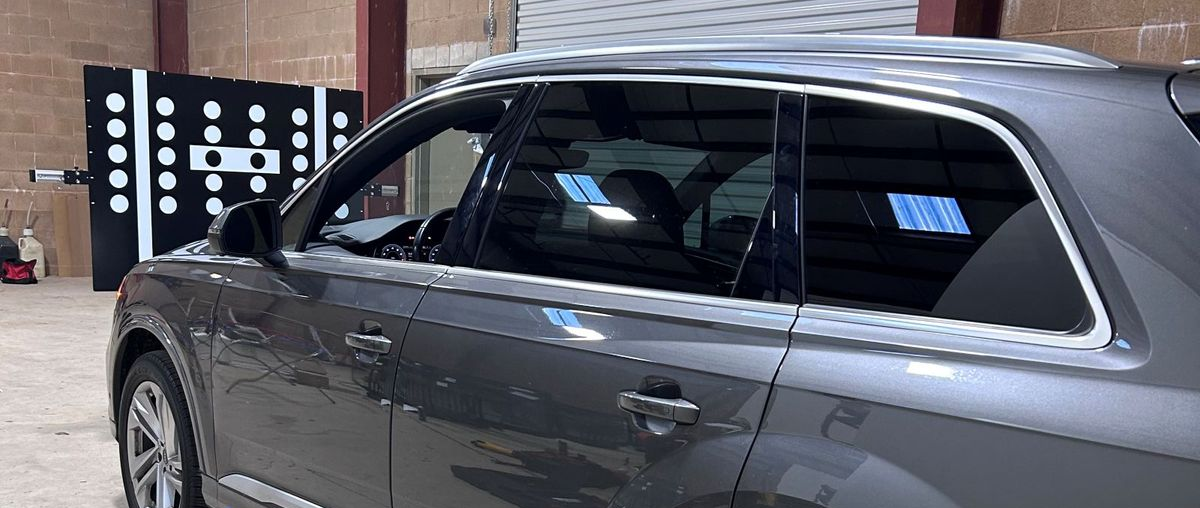
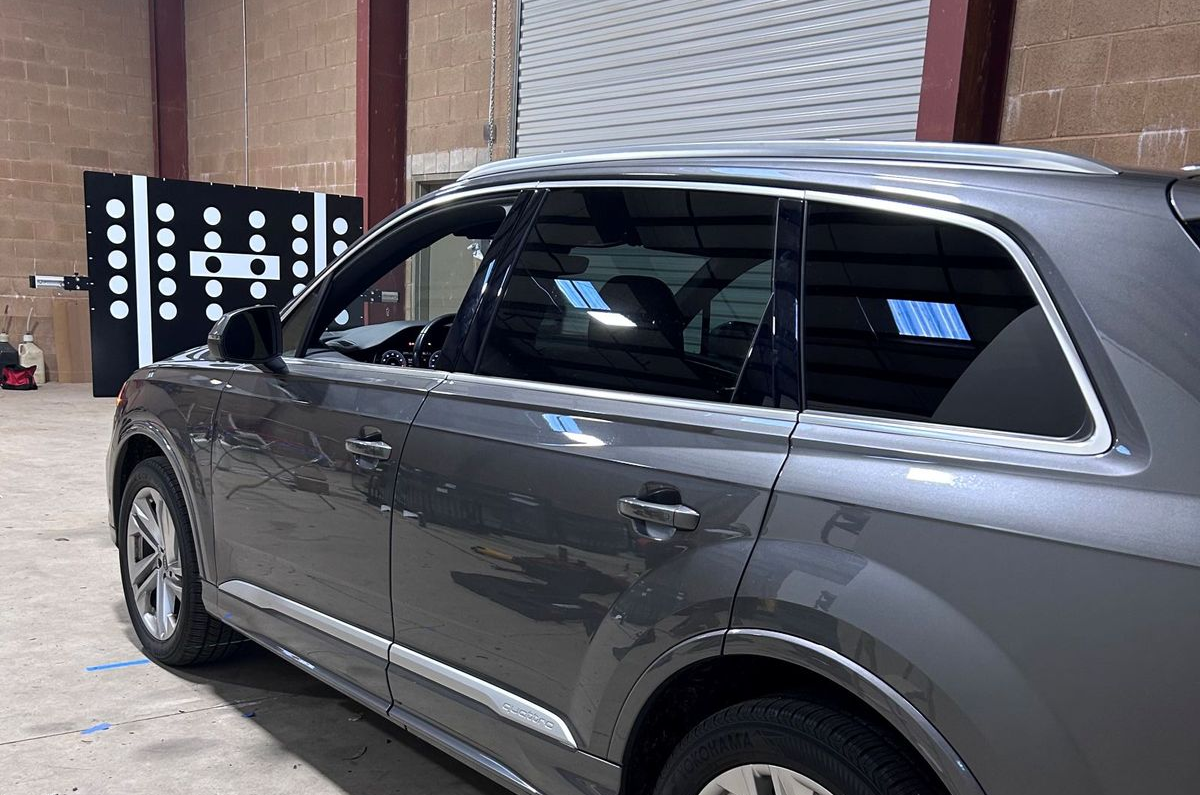
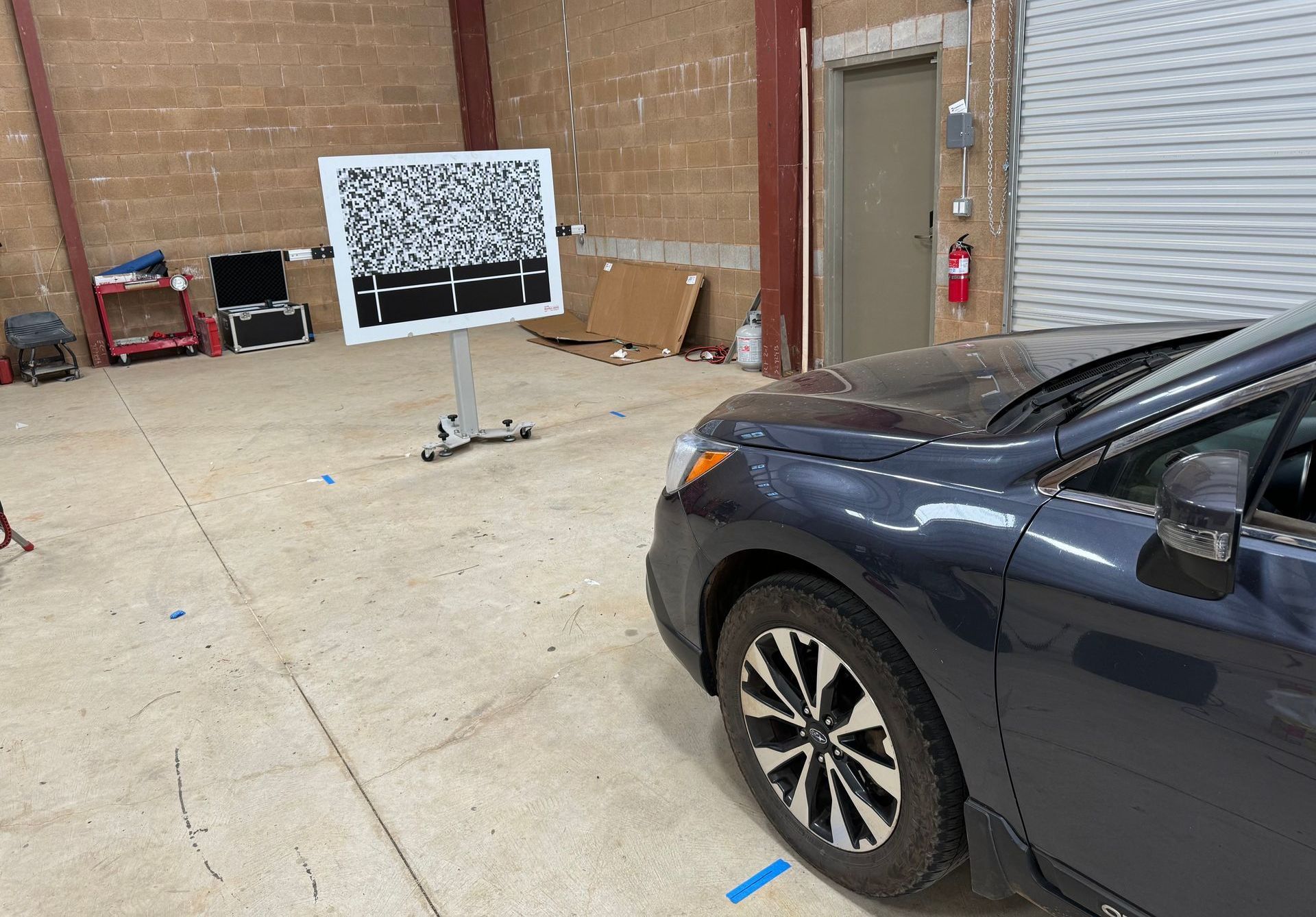
If replacement is necessary, your vehicle may also require ADAS calibration when a camera or sensor operates through the windshield. Sierra Mobile Glass has an I-CAR Platinum certified calibration team equipped to address applicable safety-system requirements after installation.
Stop Windshield Damage with AGSC-Certified Service
Sierra Mobile Glass provides AGSC-certified windshield repair, replacement, and applicable ADAS calibration throughout Grass Valley, Nevada City, Auburn, Foresthill, Truckee, and the wider Sierra Foothills and Truckee Tahoe region. You can schedule service at the Grass Valley or Truckee shop or request mobile service at no extra cost.
Do not wait for a manageable chip or short crack to travel across the windshield. Contact Sierra Mobile Glass for a free quote, insurance claim assistance, and a professional recommendation based on the actual size, location, and condition of your auto glass damage.